HVAC Callbacks: The Profit Leak Inside Maintenance Plans
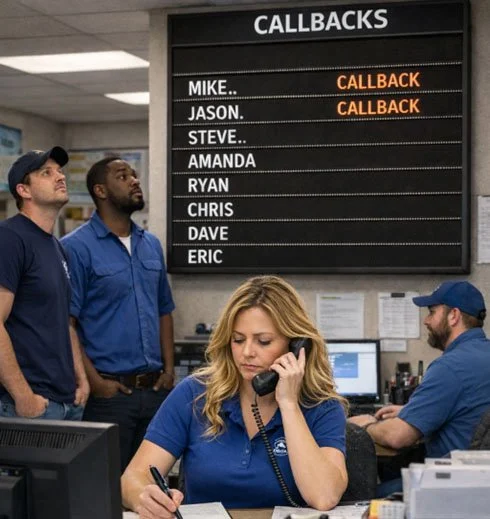
Callbacks eating your maintenance plan profit?
Your schedule looks busy, memberships are growing, but the margin keeps disappearing.
Schedule a free 20-minute callback audit and find out what it is costing you, before you lose another quarter.
Table of Content
If you want maintenance plans to be a profit center, callbacks need to be part of the conversation.
Callbacks can feel like a nuisance. A scheduling headache. A tech problem. Something you deal with and move on from.
Yet this mindset is quietly costing HVAC companies across the US thousands of dollars a year.
The U.S. Bureau of Labor Statistics reports a median annual wage of $59,810 for heating, air conditioning, and refrigeration mechanics and installers in May 2024.
Add benefits at 30% of wages, then add the truck roll at the IRS standard mileage rate of 72.5 cents per mile for 2026.
A callback hurts because you pay real labor and real vehicle costs twice and collect revenue only once.
Bottom line, callbacks are a direct hit to your company's profit.
Maintenance Plans Create Revenue, Callbacks Decide If You Keep It.
Your maintenance plan can lose money in many ways. Here are a few:
Labor time is underpriced
Vague service tiers
Contracts with no price increases
But callbacks are the warning sign that something is broken in how you structure, price, or deliver your maintenance work.
One unpaid return visit does not just reduce profit.
It can erase the profit on the entire agreement. That is the real issue.

Callbacks Erase What You Just Earned
Each callback incurs full technician labor, rolling a truck, and consuming a service slot, all for work that's already been billed.
No new revenue. No additional margin. Just real costs being paid twice.
According to the Air Conditioning Contractors of America, a typical two-hour service callback costs around $650 when you factor in technician time, office overhead, and the lost opportunity to run a paying service call.
For a business completing 500 jobs per month with a 10% callback rate, that's 50 repeat visits monthly or roughly $32,500 in callback costs eating directly into profit margins.
Industry benchmarks put acceptable callback rates in the 2%–3% range, with top-performing HVAC companies often running closer to 2%.
Beyond the direct costs, callbacks damage customer trust and increase the likelihood they'll switch providers when the contract renews.
Many businesses treat repeat maintenance visits for members as goodwill or "part of the plan."
That mindset has to stop now.
This is how maintenance programs become busy work that drains money rather than generating profitable recurring revenue.
What Counts as a Callback in an HVAC Business
You cannot reduce callbacks if your office and your field team do not define them the same way.
Here is a practical definition: a callback is any return visit tied to the same system issue, symptom, or root cause that should have been fixed, caught, or clearly documented on the prior visit.
Many home-service businesses also define callbacks/recalls as technician errors or omissions within a set time window (often 30 days for service and up to one year for installation).
Here is where owners fool themselves.
Callback numbers appear low in many shops because they are renamed. They get labeled as warranty, follow-up, member service, or coincidence.
Renaming does not change cost. It only hides it.
A truck still rolls. Labor still gets paid. A service slot is still used.
How to Track Callbacks That Actually Matter*
Sources: ACCA, HVACR School
If all repeat visits are lumped together, the numbers are useless.
Smart shops split repeat visits into clear buckets.
A true callback means the work failed or caused the problem.
A missed diagnosis means the wrong issue was identified initially.
PM fallout means incomplete maintenance caused a problem soon after.
A member return trip occurs when the plan language converts a billable repair into a free visit.
A coincidental failure is a new issue with a different cause on the same system.
When owners track callbacks this way, a pattern shows up fast.
Most callbacks are not technician mistakes.
They happen because:
Maintenance checks are not thorough
Plan rules are unclear
The work was not written down clearly
That means the problem lies in how the work is set up and tracked, not just in how technicians are trained.
As a result, the office sends a technician back at no charge, even when the visit should have been billable.
First Time Fix Rate Sets the Standard*
Sources: ServiceTitan KPI Benchmarks
First-time fix rate measures the percentage of service tasks completed successfully on the first attempt.
The industry standard ranges from 70% to 80%.
If you are achieving 90% or above, you are in the top tier. If you score below 75%, you should make changes to your operations.
Improving the first-time fix rate by just 5-6% points enables technicians to complete more jobs per day, reducing fuel costs and increasing utilization.
Top 5 Reasons Callbacks Happen*
Sources: ACCA, HVACR School
Callbacks stem from breakdowns in process, not just technician error:
Incomplete diagnostic work or rushed troubleshooting
Missing parts not identified during initial site assessment
Poor communication between the office, technicians, and customers
Inadequate documentation of work completed
Technician knowledge gaps or lack of access to equipment specs
Each of these issues can be fixed through tighter diagnostics, better handoffs, and smarter scheduling.
Why Preventive Maintenance Creates Callbacks When the Plan Is Poorly Designed
A well-run preventive maintenance plan visit reduces failures and enables planned repairs.
A rushed visit does the opposite.
When maintenance plans are priced too low, dispatch must schedule visits tightly.
Tight schedules force shortcuts. Shortcuts lead to missed steps. Missed steps lead to repeat calls.
If you expect a technician to drive, inspect, clean, document, and educate the customer within a tight time window, something will be skipped.
Usually, the steps that prevent the next breakdown are the ones that matter.
The Structural Causes That Drive Callbacks
Underpricing Creates Rushed Visits
If your plan pricing is based on what competitors charge, not on what it costs you to deliver the service, you are designing a program that cannot afford quality.
When the plan cannot fund time and documentation, the business cuts corners through scheduling.
Vague Scope Turns Members Into Unlimited Dispatch
The fastest way to create repeat trips is to sell a plan with unclear promises.
"We take care of you" trains customers to treat the plan like unlimited service. That clogs your schedule with low-value visits.
A profitable plan is clear.
Maintenance is planned inspection and prevention.
Repairs are corrective labor and parts.
Weak Handoffs Turn PM Findings Into Emergency Calls
A technician finds an issue during a preventive maintenance visit.
The issue is not quoted clearly.
It is not scheduled. The office does not follow up. The system fails.
Now, place an urgent call for a member.
You need a clear process from preventive maintenance to repair.
Findings must become quotes. Quotes must become scheduled work. Work must produce profit.
How to Reduce HVAC Callbacks Without Blaming Technicians
Set a Realistic Maintenance Visit Standard
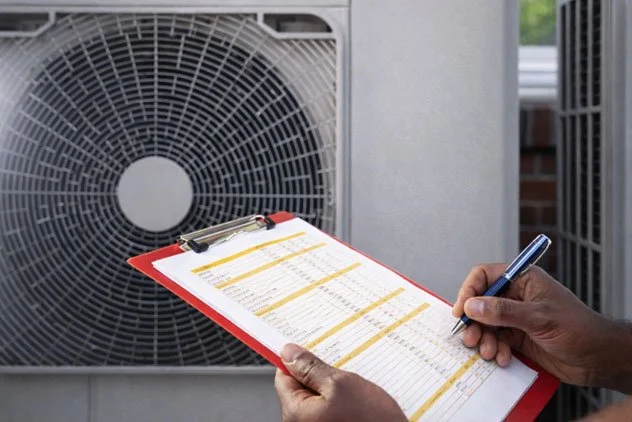
Create a checklist and define the tasks to be completed during a preventive maintenance visit.
Include inspection steps
Cleaning steps
Clear Documentation
Customer communication
Then make scheduling match the standard.
Tighten Plan Language and Boundaries
Make clear what is included, what is excluded, and what triggers billable repair work.
This one change often reduces repeat trips fast.
Build a PM-to-Repair Follow-Through Process
When a technician identifies an issue during maintenance, the business needs a clear process for quoting, scheduling, and following up.
When that path is missing, findings turn into breakdown calls and free return trips.
Review Callbacks Weekly as Data/KPIs
Hold a short weekly callback review focused on patterns, not blame.
Look for recurring causes, equipment types, and documentation gaps.
Then fix the system causing it.
Stop Paying for the Same Work Twice
Your maintenance plan is not broken.
It is not structured to make money.
When you price the plan to cover delivery costs, define clear boundaries, schedule realistic time, and convert findings into scheduled repairs, callbacks drop, and profit rises.
Most HVAC owners with $3 million to $25 million in annual revenue are unaware that their callback rate is eroding the profitability of their maintenance plan.
They see the busy schedule. They see the memberships sold.
They do not see the margin disappearing on repeat trips.
Key Takeaways
HVAC callbacks kill profit because you pay labor and truck costs twice. A 5% callback rate can cost a business over $100,000 in annual losses.
First-time fix rate sets the standard. The industry average is 80%. If your score is below 75%, make changes.
The top five causes of callbacks are incomplete diagnostics, missing parts, poor communication, inadequate documentation, and gaps in technician knowledge.
When maintenance plans are underpriced, vague in scope, or rushed in delivery, callbacks rise and profitability drops.
Frequently Asked Questions
What counts as an HVAC callback?
An HVAC callback is a return visit for the same system issue, symptom, or root cause that should have been fixed or identified on the prior visit.
How do HVAC maintenance plans lead to more callbacks?
HVAC maintenance plans lead to more callbacks when the plan is underpriced, the scope is vague, or the visit time is overly tight. Rushed preventive maintenance increases the likelihood of skipped steps and weak documentation.
What is the best way to reduce HVAC callbacks from preventive maintenance?
Establish clear rules, parameters, and preventive maintenance standards. Schedule a realistic visit time and require documentation. Then build a follow-through process so findings become quoted and scheduled repairs.
How should I track HVAC callbacks?
Track callbacks as their own category in your system, not as regular service calls. Use a simple electronic scoreboard or a whiteboard to display the callback count and rate. Review it weekly with your team.
Stop Losing Profit to Callbacks You Can't See
Most HVAC owners with $3 million to $25 million in annual revenue never calculate the actual cost of callbacks. They see revenue and busy schedules. They don't see their margin disappearing on repeat trips.
Schedule a complimentary 20-minute strategy session.
I'll show you exactly where your maintenance plan is bleeding profit and what to fix first.
Coach Ellie is an award-winning certified business and executive coach helping HVAC, Plumbing, and Electric business owners across the Northeast, Mid-Atlantic, and nationwide scale profits, strengthen leadership, and streamline operations through no-fluff strategies that actually work.